
Brief translation alternatives
: A central figure in Yumiko's life, representing the "other man" in her affairs. His role is pivotal as the catalyst for her sexual awakening, providing the contrast to her unfulfilling marriage.
Ultimately, the "Tsuma ni damatte" phenomenon serves as a reminder of the importance of communication, empathy, and trust in any relationship. As we navigate the intricacies of love, intimacy, and marriage, it is essential to prioritize openness, honesty, and mutual respect.
Taro hesitantly explained his adventure to the flea market, expecting a scolding. Yumi listened patiently, then calmly replied, "I needed your help today, and you weren't here. You shouldn't have gone to the flea market without my knowledge."
And you know what? Ninety percent of the time, she says, "Sure, sounds fun." The other ten percent, she asks questions I hadn't considered: "Don't you already have something similar?" or "Should we wait until next month's bonus?"
The grammar of regret in Japanese is fascinating. -nakatta (the past negative of a verb) plus no da (explanatory) plus ja (contraction) creates a very specific emotional register. It’s not simply "I didn’t go" (ikanakatta) or "I shouldn’t go" (iku beki de wa nai). It’s "I did go, and now I see that I should not have."

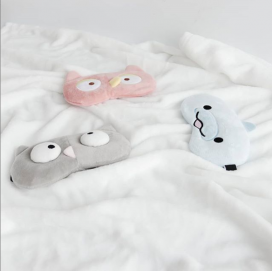


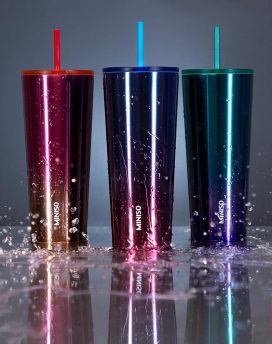

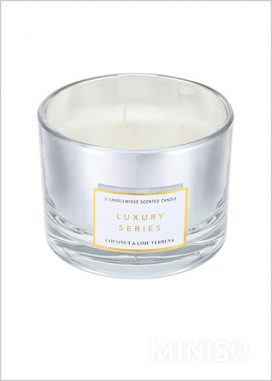
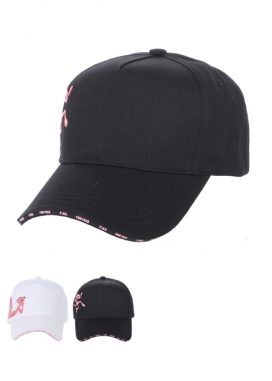
We’re here to help today’s youth discover affordable little joys
MINISO is a international product retailer, offering high quality household goods, cosmetics and food at affordable prices. Read More
Get the latest news & updates from Miniso

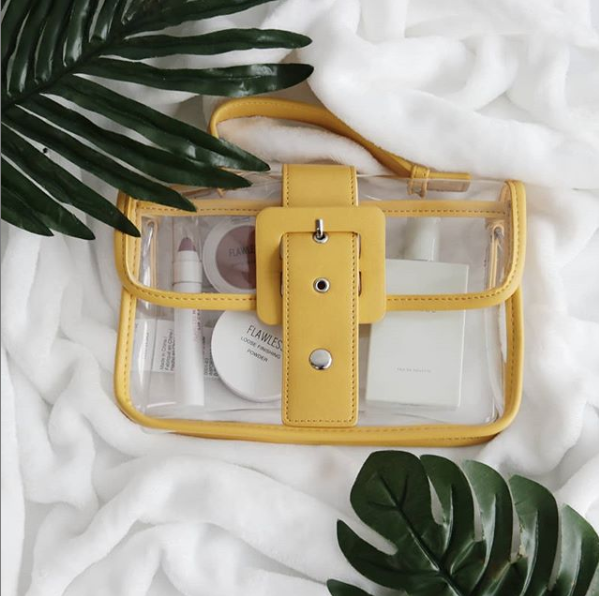
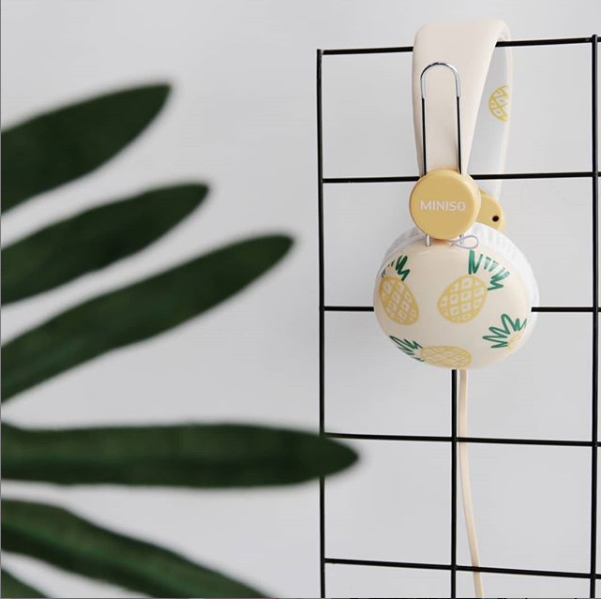
I am always thrilled to shop at MINISO. Quality products, cute designs, soooo many fab products and GREAT prices!
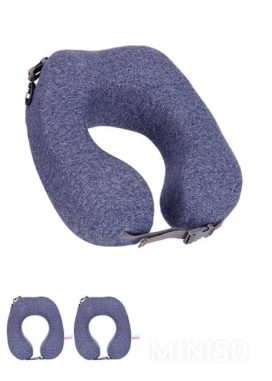
I could not travel without you being such an affordable store for all the products I bought for my trip last time, including: passport holder, luggage tag, luggage strap, travel kit, atomiser bottles and most importantly, neck pillow!
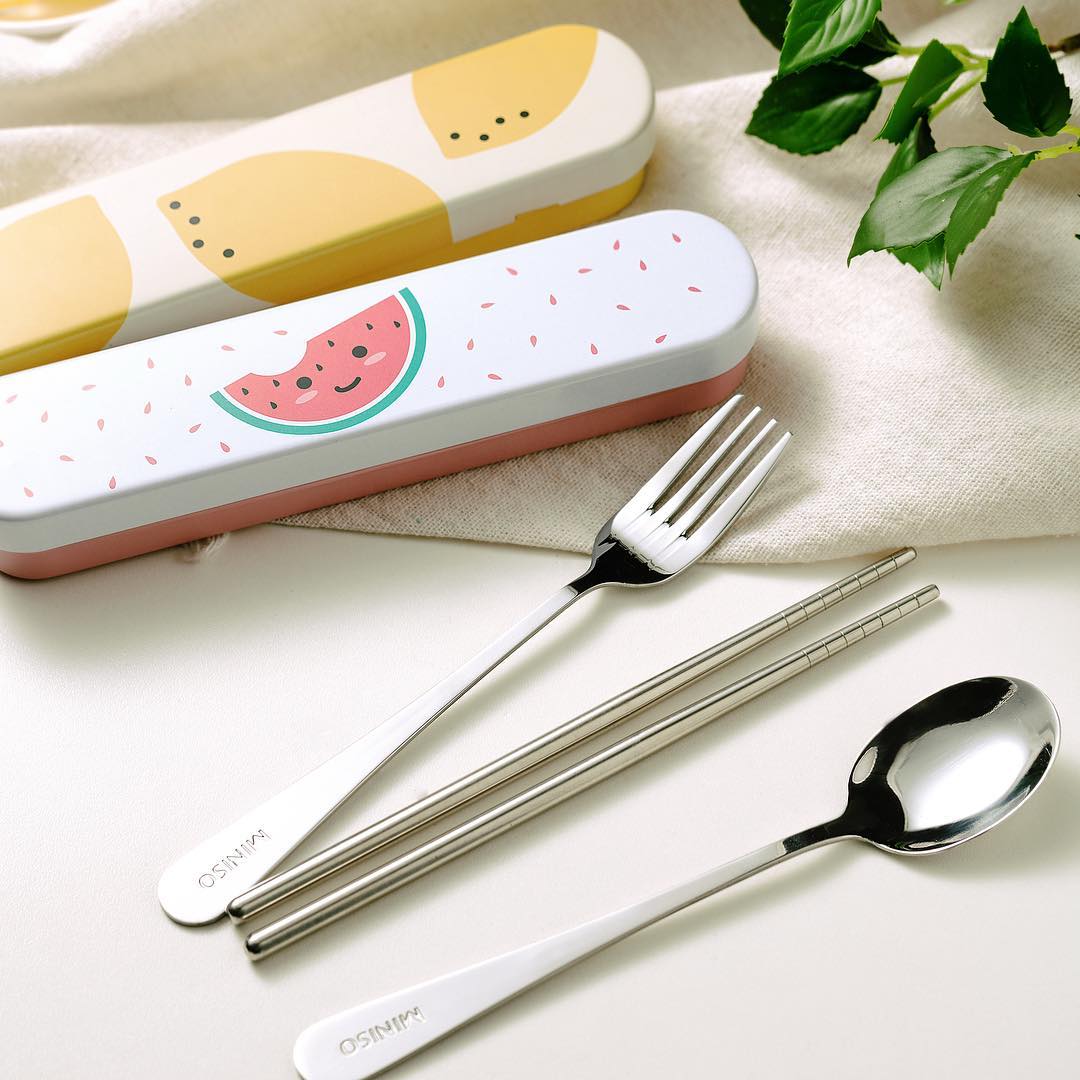
I would like to take this opportunity to thank MINISO for the wonderful shopping experience I had recently. More specifically, I bought a noodle bowl and storage boxes and was very pleased with how they were packed and given to me - each in their own individual box, which makes it extremely easy for storage.
Really appreciated the discount and offers during Global Fan Fiesta... Bought quite a few items and needless to say I'm in love with MINISO!
Besides good prices on a wide variety of products, I love the fact that it brings new design every two weeks. But the thing that impresses me most is their excellent staff and customer service.
Brief translation alternatives
: A central figure in Yumiko's life, representing the "other man" in her affairs. His role is pivotal as the catalyst for her sexual awakening, providing the contrast to her unfulfilling marriage.
Ultimately, the "Tsuma ni damatte" phenomenon serves as a reminder of the importance of communication, empathy, and trust in any relationship. As we navigate the intricacies of love, intimacy, and marriage, it is essential to prioritize openness, honesty, and mutual respect.
Taro hesitantly explained his adventure to the flea market, expecting a scolding. Yumi listened patiently, then calmly replied, "I needed your help today, and you weren't here. You shouldn't have gone to the flea market without my knowledge."
And you know what? Ninety percent of the time, she says, "Sure, sounds fun." The other ten percent, she asks questions I hadn't considered: "Don't you already have something similar?" or "Should we wait until next month's bonus?"
The grammar of regret in Japanese is fascinating. -nakatta (the past negative of a verb) plus no da (explanatory) plus ja (contraction) creates a very specific emotional register. It’s not simply "I didn’t go" (ikanakatta) or "I shouldn’t go" (iku beki de wa nai). It’s "I did go, and now I see that I should not have."